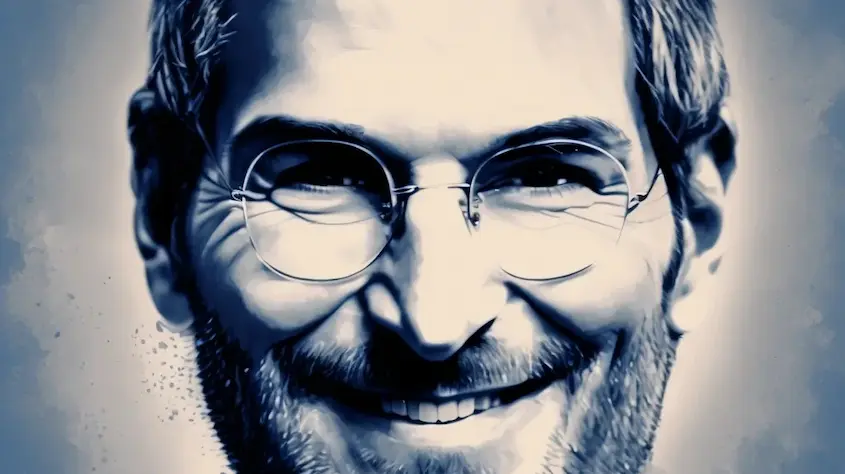
Unlocking the Secrets of Steve Jobs: 10 Powerful Lessons That Fuel Today's Innovators

Think Different: 10 Lessons in Pitching Mastery from Steve Jobs
In a world where countless startups compete for the spotlight, there is one iconic figure whose wisdom remains a guiding force for entrepreneurs and dreamers alike: Steve Jobs. The co-founder of Apple Inc. was a master of innovation, captivating the world with his groundbreaking products and leaving an indelible mark on the tech industry. As we delve into the secrets of his success, we uncover ten powerful lessons that continue to fuel the fire of today's innovators. Prepare to be inspired by the timeless teachings of a true visionary, and unlock the potential to transform your startup into the next game-changing enterprise.
The Architect of Conviction: How Steve Jobs Pitched to Investors
While Steve Jobs is best known for his captivating product presentations to the public, he was also skilled at pitching to investors and the Apple board. Here's a breakdown of how Steve Jobs structured his pitches and convinced investors:
- Establishing a clear and inspiring vision: Jobs was a master at presenting a compelling vision that could revolutionize industries. He focused on how his ideas and products would change the way people interact with technology and improve their lives, thus creating excitement around his proposals.
- Identifying problems and presenting innovative solutions: In his pitches, Jobs would pinpoint issues with existing products or services and present his ideas as groundbreaking solutions. By demonstrating how Apple's products could address these problems better than competitors, he generated interest and confidence in his ventures.
- Simplicity and clarity: Jobs had a knack for breaking down complex concepts into simple, easy-to-understand ideas. This ability allowed him to effectively communicate the value of his proposals to investors, making it easier for them to grasp the potential impact of Apple's products.
- Showcasing the product's design and user experience: Jobs placed a strong emphasis on design and user experience in his pitches. He would highlight the beauty and functionality of Apple's products, showcasing their superiority in terms of aesthetics and ease of use compared to competitors.
- Demonstrating expertise and credibility: Jobs established credibility by demonstrating his deep understanding of the technology and the market. His passion and expertise in the field allowed investors to trust his judgment and execution capabilities.
- Creating a sense of urgency and exclusivity: Jobs would often emphasize the need to act quickly, as Apple's ideas and products were ahead of the curve. This sense of urgency encouraged investors to get on board before missing out on an opportunity to be part of something groundbreaking.
- Focusing on long-term impact and growth: Jobs' pitches highlighted the long-term benefits of his ideas, both for the company and for investors. He would showcase how Apple's products could disrupt industries and generate substantial returns over time.
- Storytelling and emotional connection: Jobs was a master storyteller, using personal anecdotes and relatable narratives to forge an emotional connection with his audience. This storytelling approach made his pitches more engaging and memorable.
- Competitive analysis and differentiation: In his pitches, Jobs would compare Apple's offerings to those of competitors, highlighting the unique features and advantages that set them apart. By demonstrating the superiority of Apple's products, he instilled confidence in investors.
- Cultivating a strong company culture and team: Jobs understood the importance of having a dedicated and talented team to execute his vision. In his pitches, he would emphasize the skills and passion of Apple's employees, assuring investors that the company was well-equipped with necessary human capital.
A Masterclass in Presentation: Analysis of the 2007 iPhone Launch
Steve Jobs' presentation of the first iPhone at Macworld 2007 remains one of the most effective pitches in business history. Here's an analysis of the pitch:
- Introduction: Steve Jobs begins by creating anticipation and excitement, stating that the day would be remembered for Apple's revolutionary product launches. He builds up suspense, describing the iPhone as a combination of three devices: a widescreen iPod with touch controls, a revolutionary mobile phone, and a breakthrough internet communications device.
- Emphasizing innovation: Jobs focuses on Apple's history of innovation, mentioning the company's previous groundbreaking products like the Macintosh and the iPod. He positions the iPhone as the next step in this tradition of changing the world through technology.
- Product demonstration: Jobs effectively demonstrates the iPhone's user interface and features, showcasing its simplicity, ease of use, and versatility. He displays the device's touch-screen capabilities, fluid navigation, and various built-in applications.
- Differentiation: Jobs emphasizes how the iPhone stands out from other smartphones of that time, showcasing its unique features, such as the multitouch display, visual voicemail, and the ability to run full-featured web applications.
- Market potential: Jobs discusses the smartphone market's growth and potential, projecting that Apple could capture a significant share of the market. He sets an ambitious goal of selling 10 million iPhones by the end of 2008.
- Partnerships and support: Jobs announces key partnerships with Cingular (now AT&T) for exclusive distribution, as well as with Yahoo! for email integration and Google for maps functionality.
- Pricing and availability: Jobs provides clear information on the iPhone's pricing and release date, allowing potential customers to plan for the product's launch and create a sense of anticipation.
- Vision and long-term impact: Throughout the presentation, Jobs emphasizes the iPhone's potential to revolutionize the mobile phone industry and change the way people interact with technology.
Summary: Leveraging the Jobs Methodology for Modern Startups
Ultimately, Steve Jobs' ability to secure investor support and dominate the consumer market wasn't just about the hardware; it was about the narrative of transformation. By combining a clear, high-stakes problem with a "magical" solution, founders can replicate the excitement of a Macworld stage. Success in the modern pitch environment requires this same blend of technological expertise, extreme simplicity in communication, and a deep focus on the long-term user experience. Mastering these elements ensures that your startup doesn't just sell a product, but invites stakeholders into a revolutionary future.