5 Steps to Communicate With Confidence as a Founder

Mastering the Pitch
Products are getting more exciting, PowerPoint presentations more spectacular, and the formats more extensive. But one component never changes: you. In a fast-paced world where contacts are becoming more indifferent and meetings more digital, it's the human component that makes all the difference. You, yourself, are why someone cares about your ideas, products, and innovations. To deliver a truly persuasive presentation, you must master five pillars: structure, mindset, body language, speaking style, and your connection to the audience.
Step 1: Strategic Structure and Message Mapping
What do you want to achieve? What is the core message you want your audience to remember? Your starting point should always be your goal, not your slides. A core message is memorable, concisely stated, and insightful. This goal is the foundation for your structure.
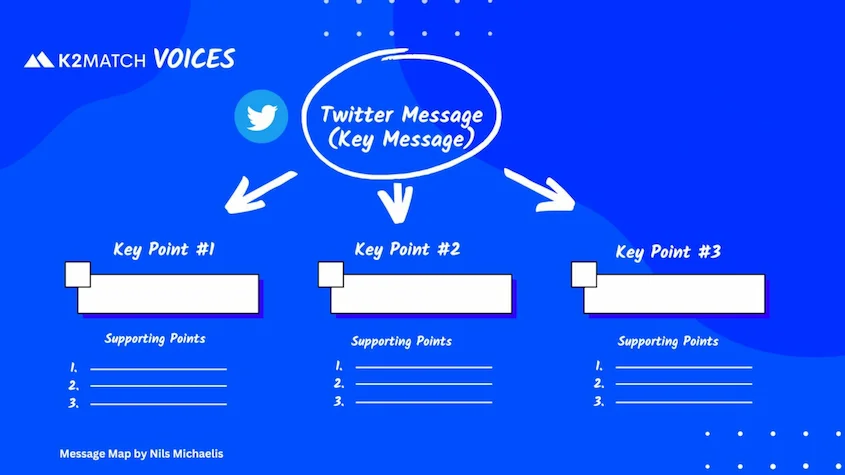
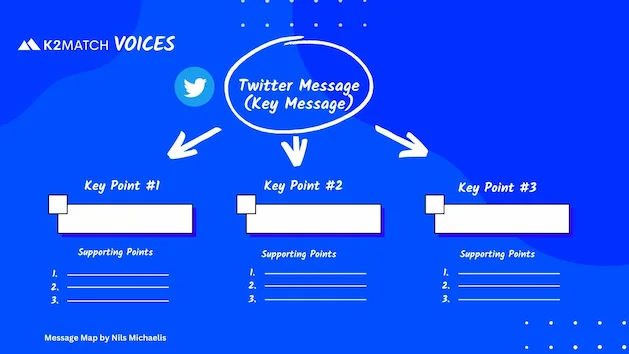
Use a Message Map (Fig. 1) to define the key messages that support your goal. Write down the arguments, examples, and facts that support each message. This provides a clear overview before you even begin creating supporting materials, such as a pitch deck. Finally, personalize your message by researching your audience—understand their motivations, their familiarity with the topic, and their common experiences.
Step 2: The Inner Mindset and Passion
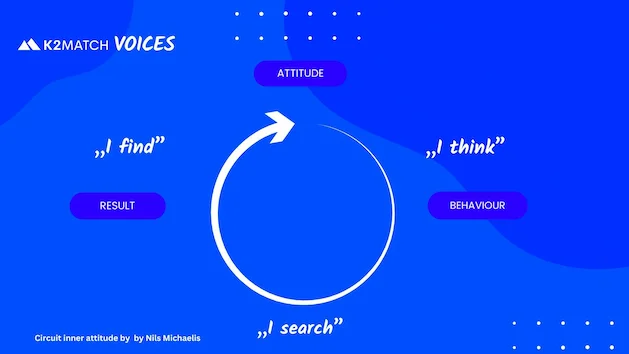
Passion is contagious. You can only inspire others if you are inspired yourself. You have a greater chance of persuading your audience if you express an enthusiastic, meaningful connection to your topic. This mindset reflects in your body language and your vocal tone. Leaders who sincerely express passion stand out; they are the people customers want to do business with.
Focus on what is best for the situation rather than overthinking "authenticity." A positive mindset facilitates a winning first impression. The Halo Effect suggests that a dominant positive trait can color the audience's entire perception of you. If you win the first impression, your entire message is viewed through a positive lens.
Step 3: Mastering Body Language and Presence
Your face is essential for a perfect first impression. You can convey a sense of recognition and belonging by using "eyebrow flashes"—a universal gesture of goodwill. Follow this with a genuine, friendly smile. This signals "friend" to the listener's limbic system, reducing perceived danger and building immediate rapport.
Once you have their attention, focus on your stance and gestures. Avoid unsteady, nervous movements. Stand firmly, shoulder-width apart, to convey self-confidence. If you move on stage, do so with purpose—take full steps and avoid wobbly pacing. Finally, use open hand gestures with visible palms; experiments show this makes speakers appear more trustworthy and helps the audience retain information.
Step 4: Optimizing Speaking Style and Pacing
Most people talk too fast, preventing the listener from processing new information. This high tempo often leads to filler words ("um," "like") and convoluted sentences as your mouth outpaces your brain. Use deliberate pauses to emphasize points and give your audience time to digest the content.
To avoid a "vicious cycle" of fast-paced talking, learn to lower your voice at the end of a sentence. This signals a definitive point and prevents your voice from trailing upward, which often triggers the urge to use filler words. Mastering your vocal "landing" makes your delivery more authoritative and less stressful for the listener.
Step 5: Connecting Heart and Mind through Storytelling
Rhetorical devices help you appear more charismatic by connecting the hearts and minds of your listeners. While we like to think we are rational, most decisions are based on a mix of logic and emotion. This is where storytelling is vital. Stories make information tangible and empathetic.
Emotions help translate information from short-term to long-term memory. Always address the audience's internal question: "What's in it for me?" By answering that question through a narrative lens, you build a bridge between your innovation and their personal benefit.
Summary: The Synergy of Preparation and Presence
Mastering a persuasive pitch requires a dual focus: technical Structure and human Presence. While tools like the Message Map ensure your logic is sound, your Mindset and Body Language serve as the ultimate emotional hook for investors. By slowing down your Speaking Style and leveraging Storytelling, you translate complex innovations into empathetic narratives. Ultimately, the most successful presenters are those who move beyond their slides to build a genuine connection, answering the audience's core need for both value and trust.